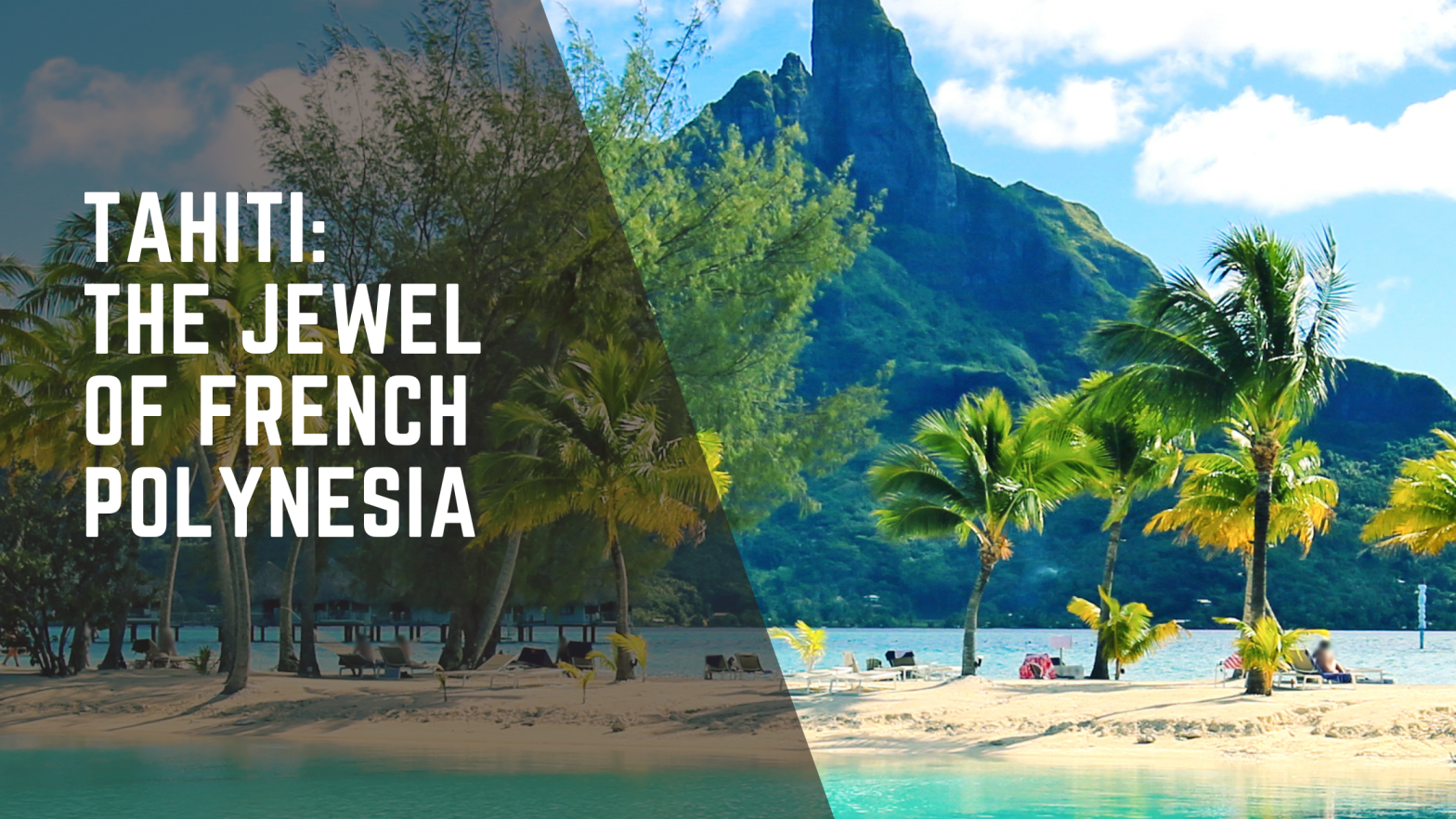
Tahiti, the larges island in French Polynesia, is a tropical haven from which visitors are lured by the beauty of its land and sea, the character of its people, and their timeless hospitality. This island, in the South Pacific Ocean, is a gateway to French Polynesia, the 118 islands and atolls that surround it. With its colorful beach going capital Papeete, tranquil lagoons and mountainous landscapes all waiting to be explored, Tahiti is a dream come true for any traveller who wants to try something different.

Where is Tahiti?
Tahiti is in the central South Pacific Ocean, half way between California and Australia. The Society Islands archipelago is its part, and it is an economic and cultural center of French Polynesia. The island is divided into two sections: The larger main area is called Tahiti Nui and the smaller peninsula, connected by the Isthmus of Taravao is called Tahiti Iti. Tahiti itself, 403 square miles in area, is surrounded by coral reefs and lagoons, and has a mountainous interior, with peaks such as Mount Orohena (7,339 feet) and Mount Aorai (6,738 feet).

Getting to Tahiti
Tahiti is well connected internationally, so it is easy to get there. The main point of entry is Faa’a International Airport in Papeete (which receives direct flights from L.A., Paris, Tokyo and Auckland). Air Tahiti Nui is a long haul airline which specializes in flights to Tahiti while Air Tahiti flies domestic routes between the different French Polynesian islands. It takes about 8 hours 2730 flights from Los Angeles.
Use VRBO to find your stay @ Tahiti
Exploring Tahitian Culture
The Polynesian Tahiti has a deep culture. The Mā’ohi, indigenous people, are well known for their artistry, dance and storytelling traditions. Key cultural elements include:
- Tahitian Dance (Ori Tahiti): A vibrant expression of storytelling through movement and drumming rhythms.
- Tattooing: An ancient art form symbolizing identity, lineage, and life events.
- Marae: Sacred stone temples used for religious ceremonies.
- Cuisine: A blend of Polynesian and French influences featuring dishes like poisson cru (marinated raw fish).
Top Attractions in Tahiti
- Papeete: The bustling capital city offers markets, museums like the Paul Gauguin Museum, and waterfront dining.
- Teahupo’o: Famous for its world-class surfing waves and host of the 2024 Olympic surfing competition.
- Vaipahi Gardens: Lush botanical gardens with waterfalls and hiking trails.
- Point Venus: A historic site with a lighthouse where Captain Cook observed the 1769 transit of Venus.
Planning Your Tahitian Vacation
Best Time to Visit
Tahiti enjoys a tropical climate with warm temperatures year-round. The dry season (May to October) is ideal for outdoor activities like snorkeling or hiking.
Accommodations
From luxury overwater bungalows to cozy guesthouses, Tahiti caters to all budgets. Resorts on nearby islands like Bora Bora or Moorea are also popular options.
Transportation
Inter-island travel is facilitated by Air Tahiti flights or ferries connecting major islands like Moorea.
The Symbolism of the Tahitian Flag
The flag of French Polynesia reflects the region’s natural beauty and cultural heritage. It features:
- A red-and-white tricolor design symbolizing traditional Polynesian colors.
- A central emblem with a double-outrigger canoe representing exploration and unity among the five archipelagos: Society Islands, Marquesas Islands, Tuamotu Islands, Gambier Islands, and Austral Islands.
- Sun rays and ocean waves signifying life and abundance.
Why Visit Tahiti?
Tahiti offers something for everyone:
- Adventure Seekers: Surfing at Teahupo’o or exploring volcanic peaks.
- Romantics: Overwater bungalows with stunning lagoon views.
- Culture Enthusiasts: Traditional dance performances and local craft markets.
Whether you’re planning a honeymoon or seeking an escape into nature’s beauty, Tahiti promises an experience that blends luxury with authenticity.
_‘Ia ora na e manava!_ (Welcome to Tahiti!)
Share this:
Hilton Head Villas \| Your Ultimate Relaxation GuideFebruary 10, 2025In “Travel”
Ultimate Guide to Hilton Head Vacation RentalsFebruary 9, 2025In “Travel”
Where to Stay on Anna Maria IslandFebruary 8, 2025In “Travel”
Δ
Toggle photo metadata visibilityToggle photo comments visibility
Loading Comments…
Write a Comment…
Email (Required)Name (Required)Website
Follow along for daily luxury travel inspiration — Instagram & TikTok: @empireexperience
 Empire Experience