Empire Journal | How to plan a private-yacht week in the Med (Amalfi, Croatia, Turkish Riviera)
Chartering a Private Yacht in the Med: A Planning Masterclass
Master the logistics of chartering a private yacht across the Amalfi Coast, Croatia, and the Turkish Riviera with advice on contracts, APA, and berths.

Chartering a private yacht across Mediterranean waters represents the pinnacle of summer travel. Navigating regional nuances, charter contracts, and crew dynamics requires precise planning long before stepping aboard. Understanding how to select the right vessel and region turns an ambitious itinerary into a seamless charter.
Choosing the Right Cruising Ground
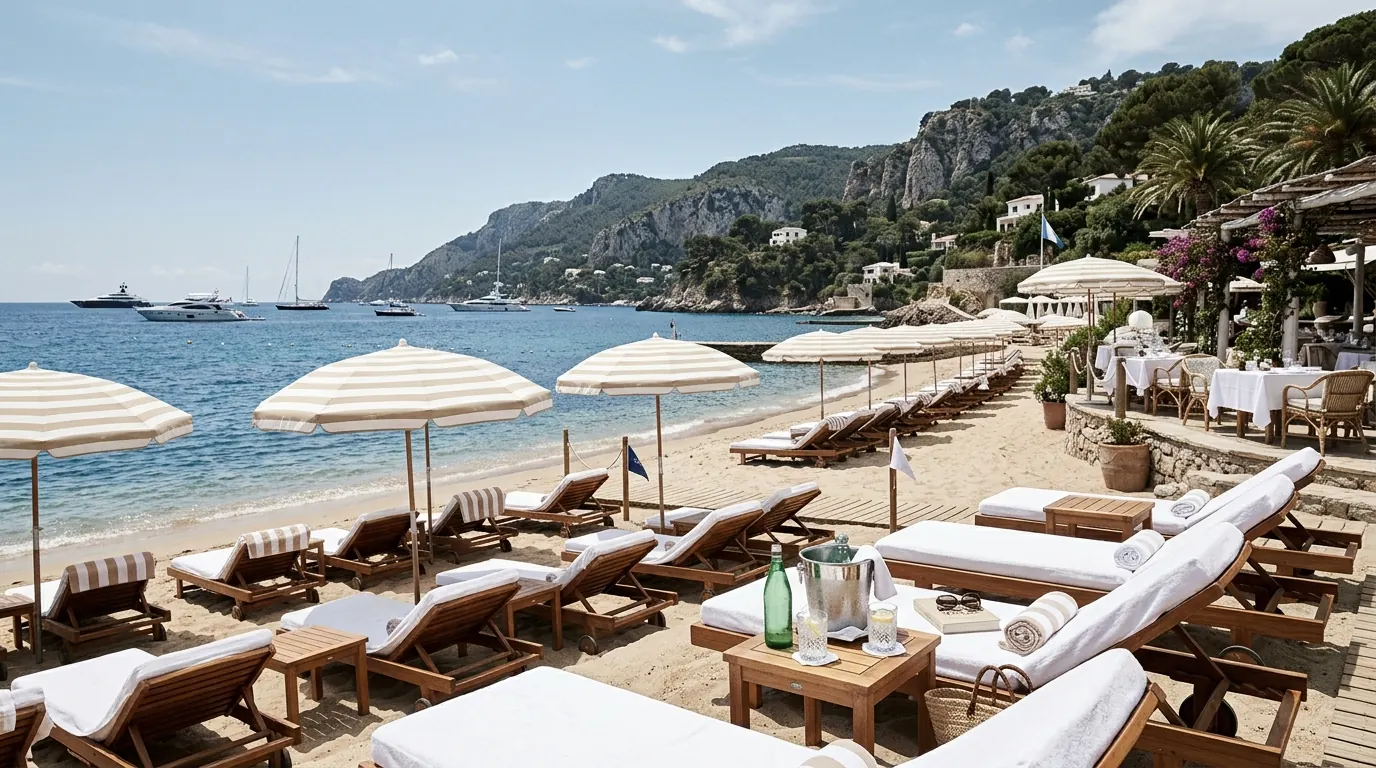
Each major Mediterranean cruising ground offers a distinct style of seafaring. The Amalfi Coast delivers dramatic cliffside geography, high-end beach clubs, and iconic anchorages off Capri and Positano. However, dockage fees along the Italian coast are among the highest in the world, and space inside key marinas is severely limited during midsummer.
Croatia presents an island-hopping playground anchored by historical coastal towns like Split, Hvar, and Korčula. The calm waters of the Adriatic Sea make it ideal for flexible itineraries, where short passages lead to secluded coves and UNESCO World Heritage sites.
The Turkish Riviera, often called the Turquoise Coast, is best explored from Bodrum or Göcek. Here, deep pine-fringed bays allow yachts to tie stern-to trees in quiet coves. This coastline provides maximum privacy, relaxed anchorages, and rich Greco-Roman ruins accessible directly from your tender.
Selecting Yacht Types and Crews
Selecting the right vessel depends on group size, speed requirements, and coastal terrain. Motor yachts offer speed and multi-deck luxury, allowing charterers to cover large distances quickly between the Amalfi Coast and Ischia. Sailing catamarans deliver stability, expansive deck space, and shallow drafts perfect for island-hopping through Croatia.
In Turkey, traditional wooden gulets combine hand-crafted heritage with modern luxury fittings. These wide-beam vessels offer exceptional outdoor living areas, shaded aft dining decks, and dedicated crews accustomed to delivering localized hospitality.
A fully crewed charter typically includes a captain, private chef, and deck crew. The chef tailors every menu to your exact preferences based on a detailed preference sheet submitted weeks before departure.
A successful private charter depends less on the size of the hull and more on the precision of the advance provisioning list.
Understanding the Financial Mechanics
Private yacht charters almost universally operate under MYBA terms. The base charter rate covers the vessel, crew wages, and insurance. All operational expenses are paid separately through an Advance Provisioning Allowance, commonly known as the APA.
The APA typically equals 30 to 40 percent of the base charter fee. This fund covers fuel for main engines and tenders, food and beverages, mooring fees, canal dues, and shore-side communications.
- Base Charter Fee: Pays for the yacht, crew salaries, and yacht insurance.
- Advance Provisioning Allowance (APA): Escrow account managed by the captain for fuel, provisions, and port fees.
- Value Added Tax (VAT): Varies by country, ranging from local Greek and Italian rates to Croatian maritime taxes.
- Crew Gratuity: Customarily 10 to 15 percent of the base charter fee, distributed at charter conclusion.
At the end of the voyage, the captain provides an itemized accounting of all APA expenditures alongside receipts. Any remaining funds are refunded to the charterer, while any overages must be settled before disembarkation.
Managing Berthing and Onshore Logistics
Securing prime marina berths requires early coordination through a dedicated charter broker or local port agent. In hotspots like Capri, marina berths during peak July and August must be requested months in advance. Tendering in from an outer anchorage remains a practical alternative when ports are full.
Onshore dining demands equal foresight. Michelin-starred establishments along the coast, such as those featured in the MICHELIN Guide in Italy or Croatia, should be booked directly via platforms like Resy or Tock as soon as booking windows open.
- Marina Reservations: Request high-demand berths in Capri or Hvar well before the season begins.
- Dining Schedules: Coordinate shore dinners around your vessel's cruising schedule to avoid late tender runs in heavy swells.
Timing Your Mediterranean Itinerary
The Mediterranean charter season runs from May through October, with July and August representing absolute peak demand. High summer delivers long daylight hours and warm sea temperatures, but popular bays experience heavy traffic.
Shoulder months—specifically June and September—offer optimized conditions for refined charterers. Waters remain warm, marina availability improves, and local shore-side venues operate with greater attentiveness.
Weather patterns also dictate itinerary flow. The Meltemi winds in the Aegean and the breezes off the Turkish Riviera can build suddenly in midsummer, while the Adriatic experiences periodic Bora winds. Working closely with an experienced captain ensures itinerary adjustments are made gracefully ahead of changing sea conditions.
Where to actually book this
- Boatpass — Book yachts, catamarans, and boat charters worldwide — hourly, daily, or weekly.
Affiliate links: we earn a small commission at no extra cost to you. See our Disclaimer.