Empire Journal | Kyoto ryokan etiquette + the neighborhoods worth staying in
Kyoto Ryokan Etiquette and the Neighborhoods Worth Booking
Mastering the quiet choreography of a Kyoto ryokan stay requires understanding room protocols, bathing traditions, and which historic districts deliver genuine stillness.
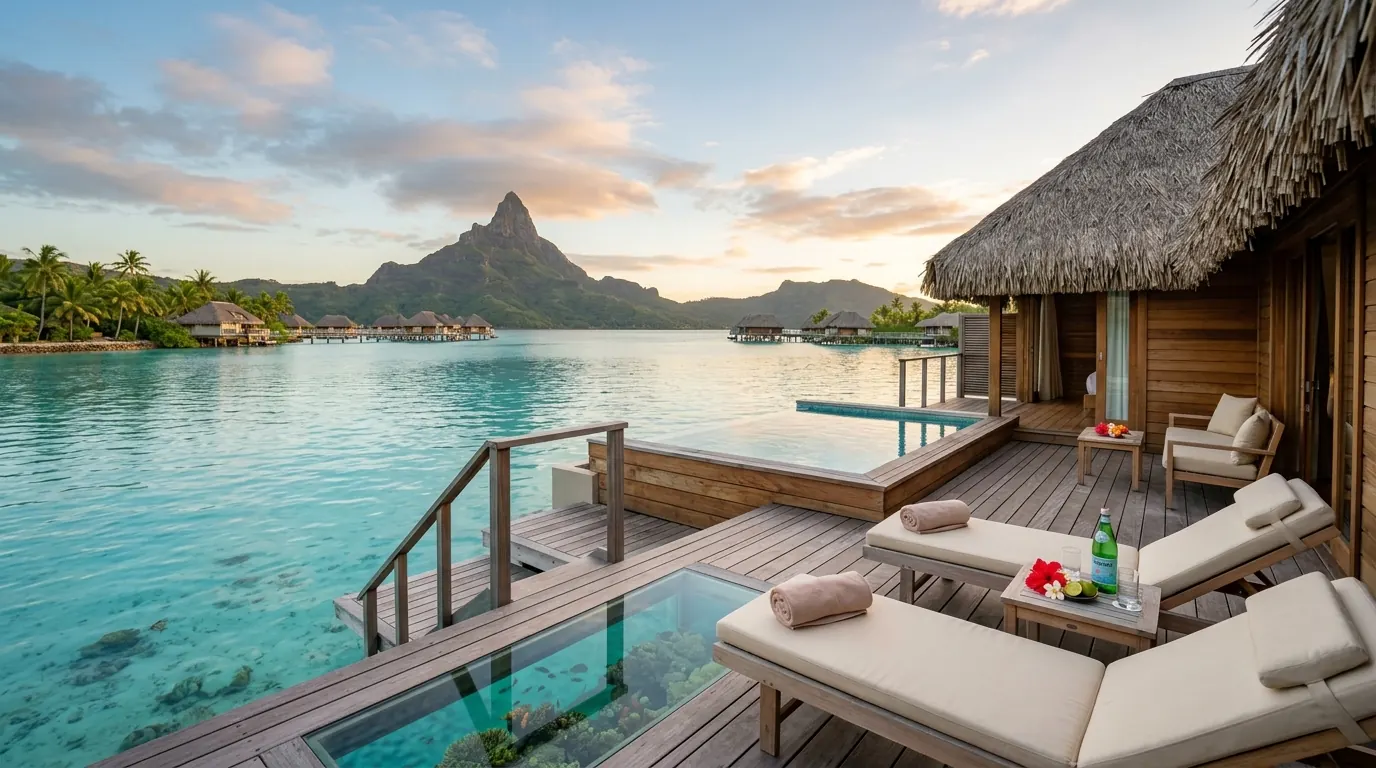
Traditional Japanese inns operate on quiet choreography rather than formal service theater. When you cross the threshold of a Kyoto ryokan, you enter an intimate environment governed by spatial boundaries, fixed schedules, and centuries of residential custom. Approaching the stay with an understanding of footwear transitions, dining schedules, and bathing customs turns what can feel like an intimidating ritual into an exceptionally restful cultural immersion.
Selecting the right district is just as critical as knowing the customs. Kyoto contains distinct micro-neighborhoods, each offering a fundamentally different pace, architectural profile, and proximity to temple grounds.
Arrival Protocols and Footwear Rules
The separation between the outside world and the interior sanctum begins immediately at the genkan, the raised entryway of the property. Guests step out of their outdoor footwear onto the lower stone landing, turn their shoes to face the door, and step up onto the elevated wooden floor directly into provided house slippers. Walking in outdoor shoes past the stone threshold is the most common arrival mistake international visitors make.
Once inside your suite, slippers must come off before you touch the tatami straw mats. You walk on tatami only in socks or bare feet, as the woven rush straw is delicate and easily damaged by indoor soles. A dedicated pair of separate restroom slippers waits inside the bathroom door; you switch into them upon entering and switch back before returning to the main room. Leaving the restroom while wearing the designated bathroom slippers is an immediate tell of an unfamiliar guest.
Ryokans run on strict operational schedules tailored to dining preparation. Most properties request arrival between 3:00 PM and 5:00 PM to prepare the evening meal. Arriving late without notice can cause the kitchen to forfeit your dinner course entirely, as the pacing of multiple courses relies on precise timing.
Kaiseki Dining and Chamber Protocols
Your assigned room attendant, or nakai-san, orchestrates your stay with discreet professionalism. In traditional properties, dinner and breakfast are served directly in your room, transforming the living space into a private dining chamber. When your host kneels to present a dish, acknowledge the service with a brief nod and avoid placing personal belongings, phones, or camera gear on the lacquered dining table.
A ryokan rewards precision over presumption, where adherence to quiet custom shapes the entire experience.
Bedding follows a predetermined sequence managed entirely by staff. While you are dining in a communal room or soaking in the baths, attendants enter your suite to fold away the central low table and roll out heavy cotton futons. Do not attempt to lay out or pack away your own futon bedding. If you need privacy or plan to work at your laptop during standard turndown hours, coordinate your schedule with the front desk beforehand.
Many high-end Kyoto ryokans now feature modern bedding alongside traditional architecture, a trend documented extensively in the MICHELIN Guide hotel selections. Respecting the physical space also means keeping heavy rolling luggage off the tatami mats; use the wooden luggage platform or closet vestibule provided near the entryway.
Onsen and Public Bathing Rituals
Bathing in a ryokan is a ritual of relaxation, not cleaning. Whether using a private wooden cedar tub (hinoki) or a communal mineral bath, you must wash and rinse thoroughly at the sit-down shower stalls before entering the soaking water.
- Wash your hair and body completely using the small wooden stool, washbasin, and toiletries provided at the open shower stations.
- Rinse away all soap and suds before stepping into the communal soaking pool, as contaminating the bath water with soap is strictly prohibited.
- Never let your small modesty towel touch the bath water; fold it and rest it on your head or place it along the edge of the stone tub.
- Dry off thoroughly in the shower area before stepping back into the dressing room to keep the woven tatami flooring dry.
Tattoo policies vary significantly across Kyoto. Historic public baths occasionally restrict visible ink, but upscale ryokans increasingly permit tattoos or offer private reserve baths (kashikiri-buro) that eliminate the issue entirely. Confirm the property's policy directly prior to booking if you require private bathing options.
The Neighborhoods Worth Staying In
Higashiyama
Higashiyama remains the premier base for travelers seeking classic preservation. Stretching along the lower slopes of the eastern hills, this district offers immediate walking access to centuries-old temples like Kiyomizu-dera and Kodai-ji. Staying here allows you to explore the stone-paved alleys of Ninenzaka and Sannenzaka at sunrise before foot traffic arrives. Properties in this pocket often occupy preserved merchant houses or former temple retreats, though navigating the hilly terrain with heavy baggage requires planning.
Gion
Directly adjacent to Higashiyama, Gion serves as Kyoto's premier geisha entertainment district. Ryokans tucked into quiet lanes like the Shirakawa canal area deliver unmatched nocturnal ambiance, with dark timber facades and soft lantern light. The trade-off is higher foot traffic along main avenues like Shijo-dori, making interior soundproofing and private garden courtyards essential features to look for when selecting a property.
Nakagyo and Central Kyoto
Central Kyoto houses the city's legendary heritage trinity: Tawaraya, Hiiragiya, and Sumiya. Situated in the Nakagyo ward, these historic properties sit behind unassuming urban walls, opening inward to pristine moss gardens. While the surrounding neighborhood consists of modern streets and commercial buildings, central ryokans offer superior transit access to the subway and Kyoto Station, alongside proximity to Nishiki Market.
Arashiyama
Located on the city's western edge along the Oi River, Arashiyama delivers quiet mountain seclusion. Properties like Hoshinoya Kyoto require a private boat transfer upriver, insulating guests from day-trippers visiting the bamboo groves. Choose Arashiyama for the final two nights of an itinerary rather than a base for touring the entire city, as the transit time to eastern temples cuts into sightseeing hours.
Before finalizing your Kyoto itinerary, review our curated breakdown of luxury hotel programs in the Empire Experience luxury travel archives to decide whether to anchor your trip with a traditional ryokan or a contemporary luxury hotel.
Frequently asked questions
Can you wear outdoor shoes inside a ryokan?
No. Outdoor shoes must be removed at the genkan entryway, where you step up onto the elevated floor directly into indoor slippers provided by the property.
What happens if you arrive late for kaiseki dinner?
Ryokan kitchens prepare multi-course meals on precise schedules, so arriving late without prior warning can lead to the kitchen canceling dinner service without a refund.
Are tattoos permitted in Kyoto ryokan baths?
While traditional public sento baths may restrict visible ink, most high-end ryokans either permit tattoos in shared facilities or provide private reservable baths for guests.
How many nights should you book at a traditional ryokan?
Two consecutive nights is the ideal duration for a ryokan stay, allowing you to experience consecutive kaiseki menus without feeling confined by the rigid daily dining schedule.